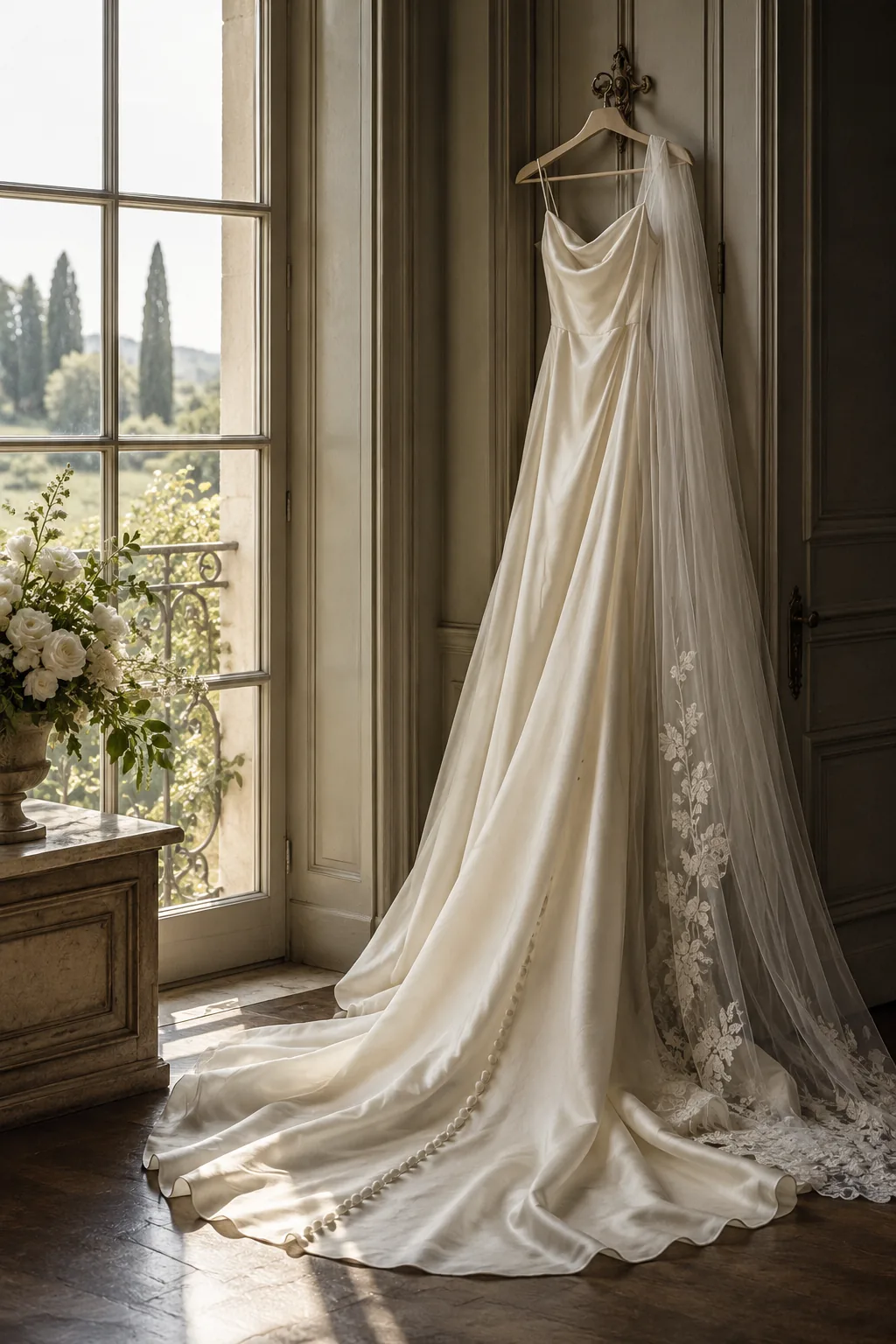
The most useful wedding planning checklist puts decisions in the right order: agree on spending and guest numbers, choose a venue and date, then book the people and details that depend on them. The timetable below is a working framework, not a deadline you have already missed. A shorter engagement simply means grouping tasks and narrowing your options sooner.
Start with a shared document rather than a perfect binder. Keep the guest list, estimated costs, deposits, supplier contacts and outstanding decisions together. Give every task an owner and a decision date. This makes progress visible and prevents one person from carrying the entire mental load.
12–18 months before: define the celebration
Talk separately about the three things you most want to remember, then compare answers. One person may value a relaxed dinner while the other cares about dancing with friends. Build a celebration that makes room for both before collecting inspiration pictures.
Set a spending ceiling based on funds actually available. Record contributions only after the people offering them confirm the amount and any conditions. Leave a contingency rather than assigning every dollar immediately. Taxes, service charges, delivery, overtime and rentals should appear in the same budget as the attractive headline prices.
Draft a guest list in tiers, but do not send invitations until you know capacity. Ask venues for a complete example proposal at your estimated attendance. Check accessible routes, bathrooms, parking, a weather alternative, setup time and end-of-night rules. A room that fits dinner may not also fit a dance floor.
9–12 months before: secure the foundations
After the venue and date are confirmed, prioritize suppliers whose availability matters most to you. This may include a photographer, caterer, officiant and music provider. Compare scope rather than price alone: hours of coverage, equipment, staffing, travel, setup and cancellation provisions can differ substantially.
Read every agreement before paying. Ask how postponements, substitutions and late changes are handled. Keep signed copies and payment dates in your planning document. Written confirmation is more useful than a promising conversation or an attractive social media account.
Begin clothing appointments with realistic lead times supplied by the shop. Discuss alterations, undergarments and shoes early. Arrange accommodation information for travelers without assuming everyone can afford a particular hotel. If you are considering a smaller guest count, our intimate wedding guide helps you examine the tradeoffs.
Six months before: connect the moving parts
Create a draft schedule that includes travel, dressing, photographs, the ceremony, food and breaks. Ask each supplier what they need rather than guessing. Leave room for transitions: moving guests from a garden to an upstairs dining room takes longer than walking there yourself.
Choose invitation wording, RSVP method and a response date that leaves time before the caterer's final deadline. Request dietary and access information privately. Decide who will answer logistical questions, especially if you will be traveling shortly before the wedding.
Develop a restrained visual plan. Select a few materials or colors that repeat across flowers, stationery and table settings. You do not need a separate design concept for every surface. Our bridal style guide offers a similar approach to clothing and accessories.
The final month: confirm rather than reinvent
Reconcile the guest list against responses and follow up individually. Confirm meal choices and seating with the venue's requirements. Give suppliers the same current timeline, access instructions and named contact. Mark the file with a date so an older version cannot easily be mistaken for the final plan.
Make a simple inventory of items arriving independently: rings, ceremony papers, stationery, personal clothing, gifts and decor. Assign transport and collection responsibility. Ask who removes candles, packs keepsakes and retrieves hired items after the reception. These tasks still exist when the dancing ends.
Schedule your final clothing fitting with the shoes and undergarments you plan to wear. Practice sitting, stairs and the fastening or bustle. Avoid adding a complicated new beauty treatment or DIY project simply because the calendar feels urgent.
Wedding week: make the handover
Pack small labeled groups instead of one mystery box. Keep ceremony essentials with a trusted person who knows where they are. Prepare water, familiar snacks, a phone charger and practical clothing supplies. Share key numbers on paper in case a phone is unavailable.
Walk through the weather decision with the venue. Who makes the call, by when, and how will suppliers hear? Read the National Weather Service heat safety resources when planning a hot-weather event, and agree on suitable shelter with your venue. A beautiful outdoor plan still needs a workable alternative.
Protect a quiet meal or evening together before the event. The aim of preparation is to let you experience the celebration, not supervise it minute by minute.
Your final practical checklist
- Confirm final attendance and dietary information with catering.
- Check the venue's final payment and access deadlines.
- Share one supplier schedule and one emergency contact sheet.
- Assign rings, ceremony documents and personal items.
- Confirm transport, weather decisions and accessible guest routes.
- Name the people collecting rentals and keepsakes afterward.
Common planning mistakes
Booking before agreeing on guest count can lock you into unsuitable capacity. Buying decor before understanding the room can create unnecessary rentals. Giving every supplier a different arrival time can produce loading conflicts. Solve dependencies first, then purchase the details that genuinely support the plan.
Another common trap is treating every recommendation as a requirement. You can omit favors, a formal wedding party or a separate send-off if they do not matter to you. A reliable meal, clear information and a welcoming atmosphere usually deserve attention before another decorative layer.
Frequently asked questions
Can we plan a wedding in six months?
Yes, if availability and your priorities align. Choose the venue first, shorten the supplier shortlist and accept flexibility around dates and details. Check clothing and legal requirements immediately.
When should we finalize the guest count?
Work backward from your venue and catering deadlines. Set the RSVP date early enough to follow up with guests before you owe a binding final number.
Do we need a coordinator?
Consider who will manage deliveries, supplier questions and changes while you get ready. Ask what your venue includes; venue management and personal wedding coordination may cover different tasks.
What should we do after the wedding?
Return rentals, settle outstanding invoices and list gifts received. Use our modern etiquette guide to plan personal thank-you notes without losing track.
Back to top ↑